
Interventional Cardiology
Featured Reviews
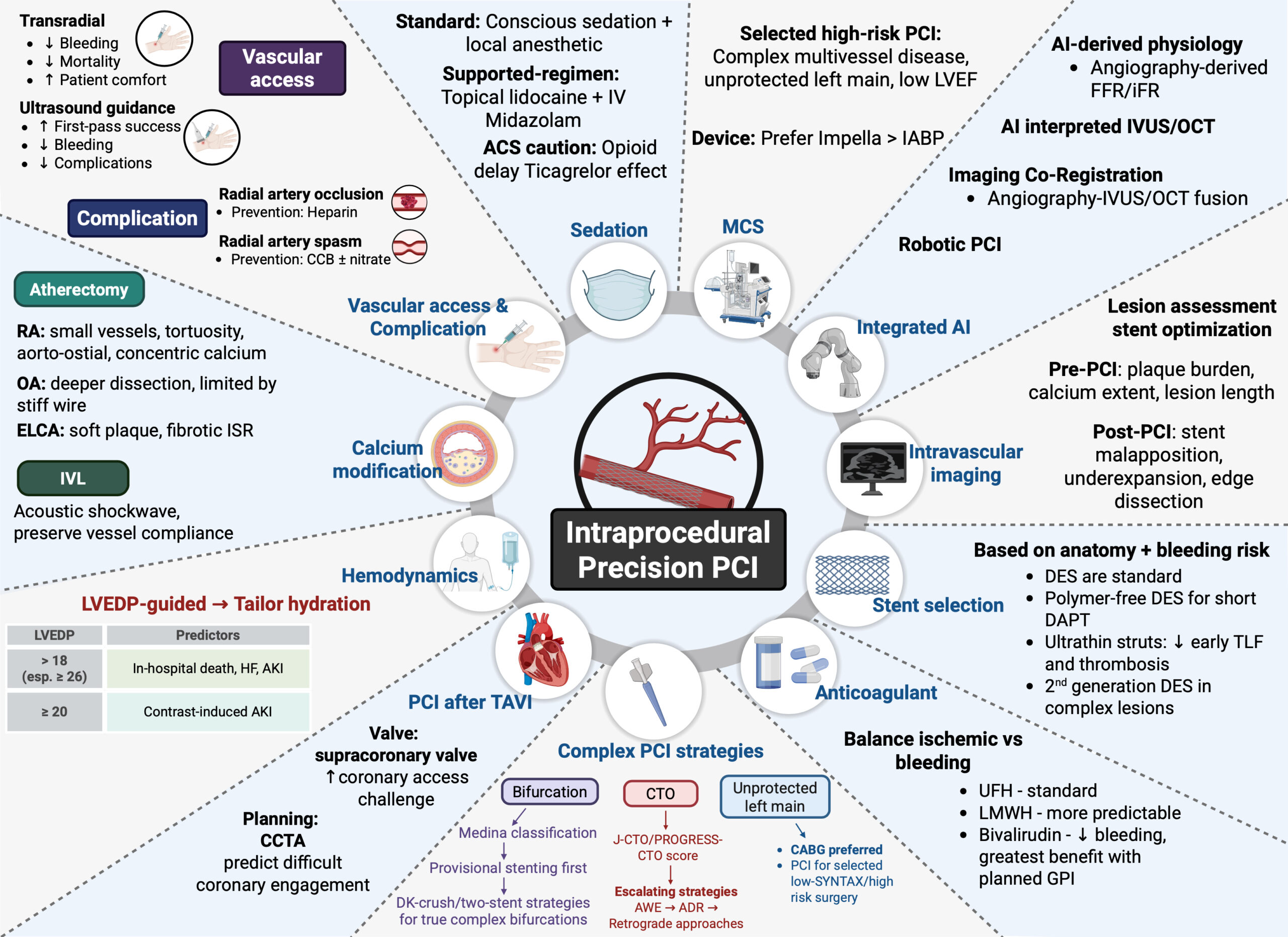
Precision percutaneous coronary intervention
This contemporary review outlines a precision-based approach to percutaneous coronary intervention (PCI). It integrates individualized strategies across pre-, intra-, and post-procedural phases — including advanced imaging (IVUS/OCT), physiology (FFR), optimized sedation, anticoagulation management, and risk stratification — to improve outcomes, reduce complications, and enhance patient comfort. While artificial intelligence and pharmacogenomics show strong future promise, their routine clinical use in PCI remains early-stage.
Featured Reviews
Calcium modification techniques in complex percutaneous coronary intervention: State-of-the-art review
This state-of-the-art review addresses the growing challenge of coronary artery calcification in complex PCI. It covers advanced imaging techniques for detection and characterization, along with current calcium modification strategies (e.g., specialized balloons, atherectomy, intravascular lithotripsy) to improve stent expansion and procedural success. The paper presents a practical decision-making algorithm and discusses future directions.
Featured Reviews
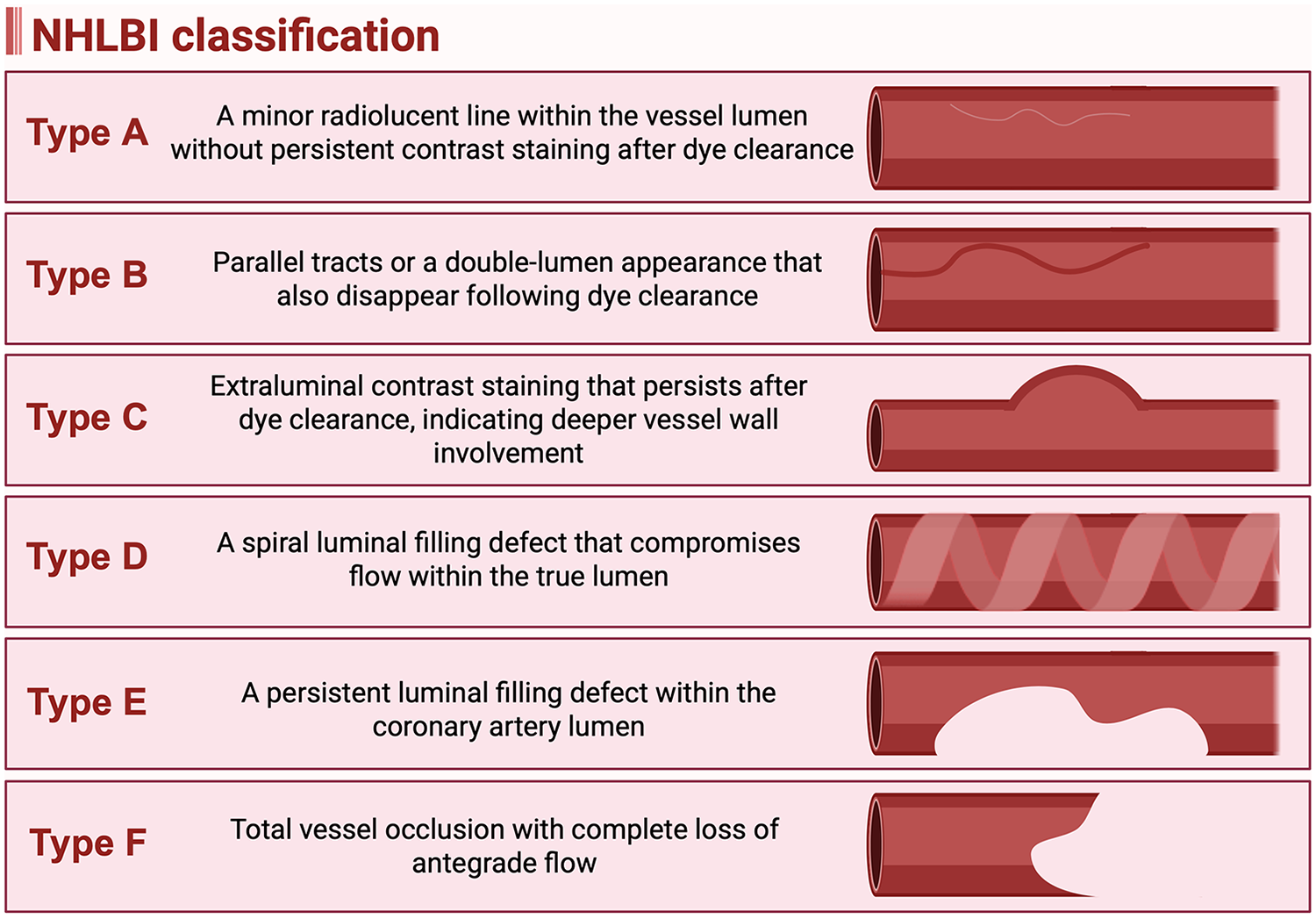
A practical approach to the management of percutaneous coronary intervention complications
This practical review provides a comprehensive guide to managing PCI-related complications, including acute vessel closure, coronary dissection, perforation, no-reflow, device entrapment/fracture, stent loss, and air embolism. It covers risk factors, mechanisms, early recognition, evidence-based management strategies, and preventive approaches using intravascular imaging (IVUS/OCT), while highlighting the potential role of AI for better risk prediction and precision management.
Featured Reviews
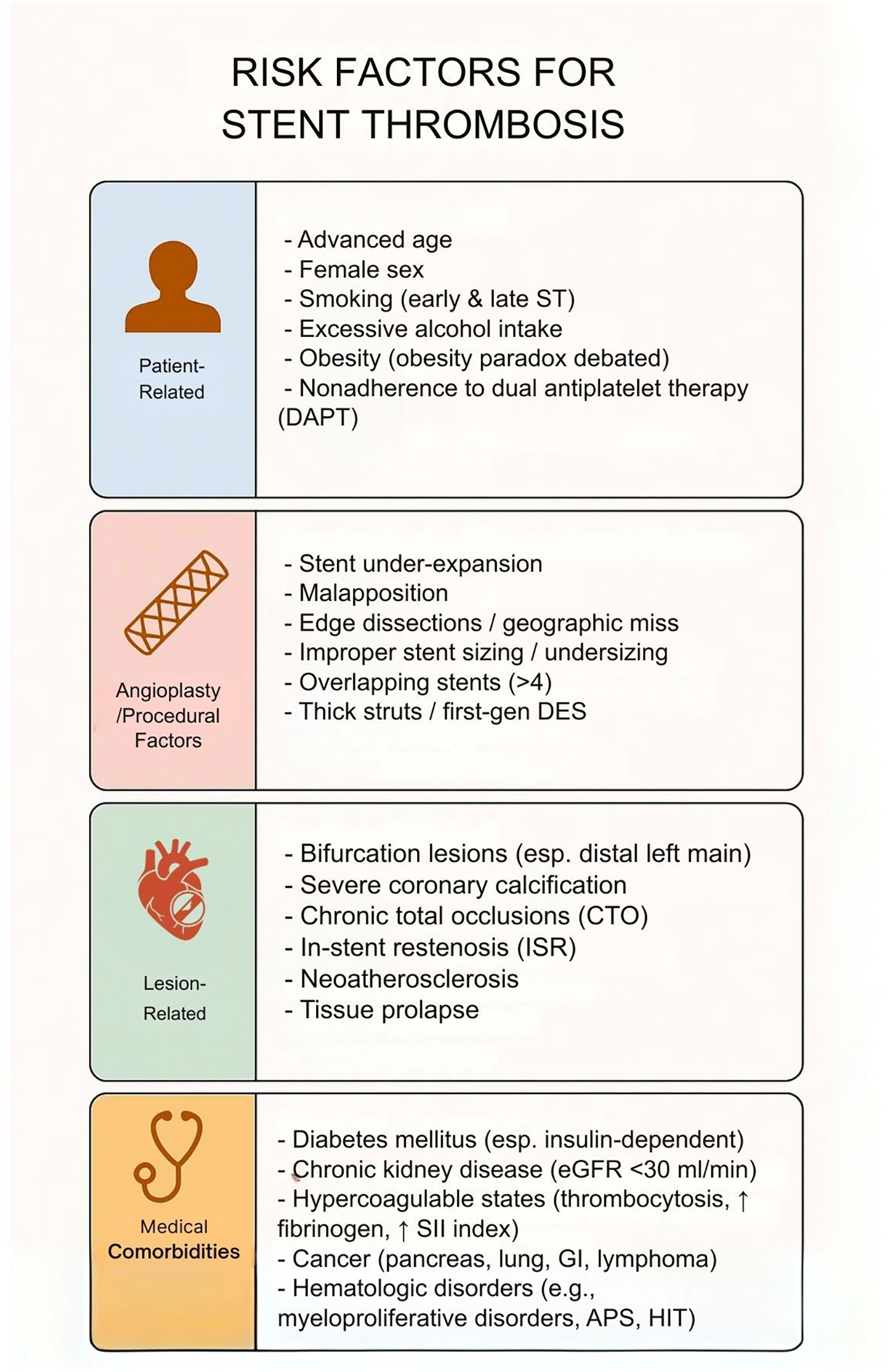
Stent thrombosis: a contemporary guide to definitions, risk factors, and management
This contemporary review provides a practical guide to stent thrombosis (ST) — a rare but serious complication of PCI associated with high morbidity and mortality. It covers standardized definitions (acute, subacute, late, very late), key risk factors (patient, procedural, and lesion-related), pathophysiology, prevention strategies, and evidence-based management approaches.
Featured Reviews
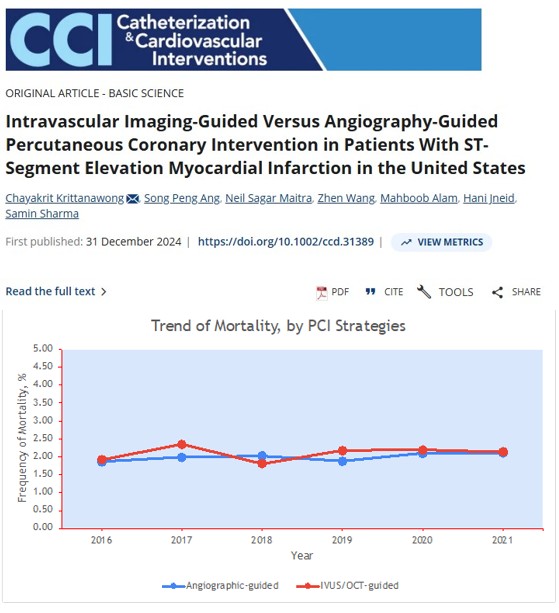
Intravascular Imaging-Guided Versus Angiography-Guided Percutaneous Coronary Intervention in Patients With ST-Segment Elevation Myocardial Infarction in the United States
This large U.S. nationwide study (2016–2021) analyzed 819,645 STEMI patients undergoing PCI. Intravascular imaging-guided procedures (mainly IVUS) were associated with significantly lower in-hospital mortality compared to angiography-guided PCI (adjusted OR 0.75 for IVUS). Use of IVUS/OCT increased over time, supporting the benefit of intravascular imaging in primary PCI for ST-elevation myocardial infarction.
Featured Reviews
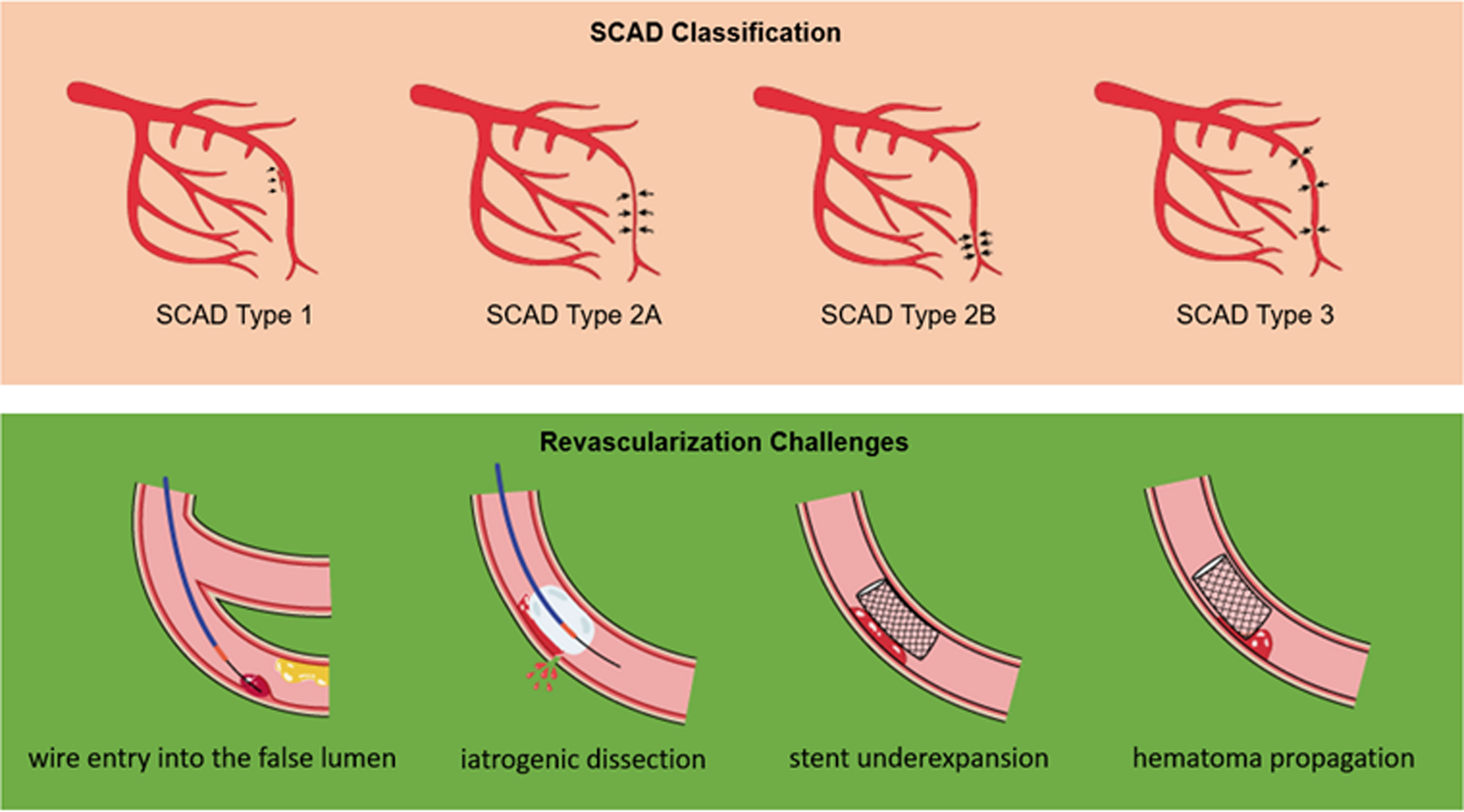
Revascularization in Patients With Spontaneous Coronary Artery Dissection: Where Are We Now?
This review article summarizes current evidence on revascularization (PCI or CABG) versus conservative management in patients with spontaneous coronary artery dissection (SCAD). It highlights that most SCAD cases heal spontaneously and conservative therapy is preferred in stable patients, while revascularization is reserved for high-risk presentations (e.g., ongoing ischemia, cardiogenic shock, left main/proximal dissection). PCI in SCAD carries higher technical challenges and complications compared to atherosclerotic disease.
Featured Reviews
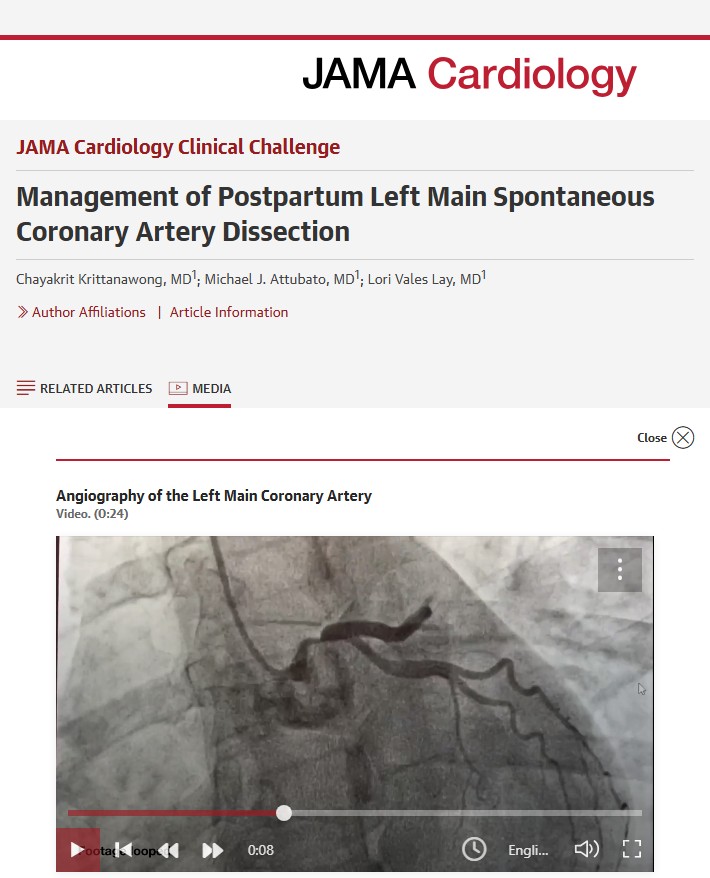
Management of Postpartum Left Main Spontaneous Coronary Artery Dissection
This clinical challenge presents the case of a postpartum woman with spontaneous coronary artery dissection (SCAD) involving the left main coronary artery — a rare and high-risk presentation. It discusses diagnostic approach, management dilemmas (conservative vs. revascularization), and clinical decision-making in this complex scenario.
Featured Reviews
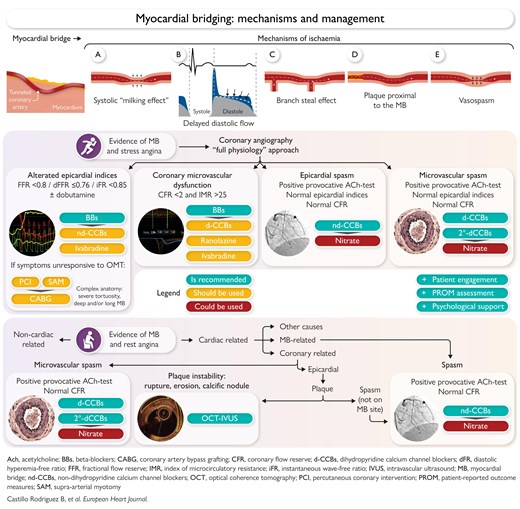
Myocardial bridging: a practical guide for clinicians
This state-of-the-art narrative review provides clinicians with a practical, evidence-based guide to myocardial bridging — the most common congenital coronary anomaly. It covers diagnosis (via CCTA, invasive angiography, IVUS/OCT), clinical significance, mechanisms of ischemia, and management strategies, while addressing controversies in this increasingly recognized cause of ischaemia with non-obstructive coronary arteries (INOCA).
Featured Reviews
Complications of Radial vs Femoral Access for Coronary Angiography and Intervention: What Do the Data Tell Us?
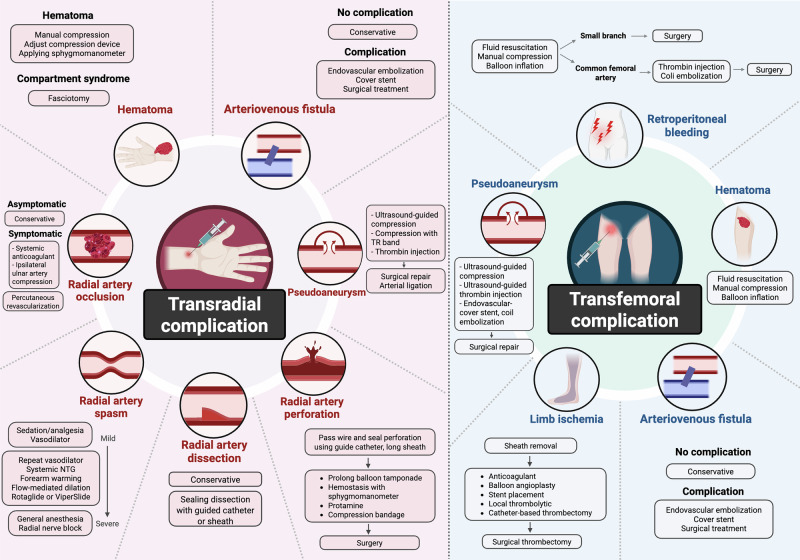
This review compares radial versus femoral vascular access for coronary angiography and PCI. Radial access significantly reduces access-site bleeding (especially retroperitoneal), pseudoaneurysm risk, and improves patient comfort with earlier ambulation. However, it has a longer learning curve, and data remain limited regarding long-term radial artery use as a bypass graft. Evidence on mortality benefit in STEMI patients remains mixed.
Featured Reviews
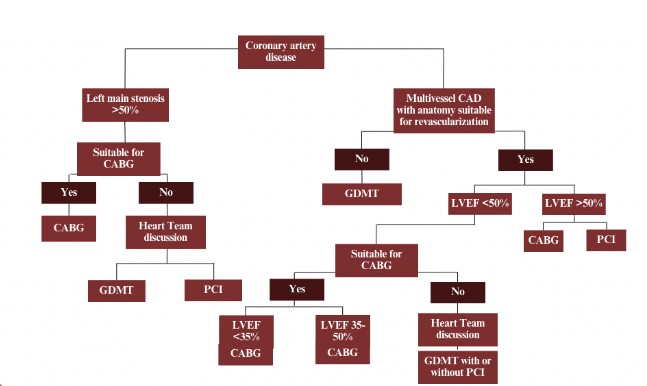
The Current State of Coronary Revascularization: Coronary Artery Bypass Graft Surgery Versus Percutaneous Coronary Interventions
This review compares coronary artery bypass grafting (CABG) versus percutaneous coronary intervention (PCI) across different coronary artery disease phenotypes. It highlights that CABG generally offers better long-term outcomes in complex multivessel disease, while both strategies are viable for left main disease. The paper emphasizes the importance of the Heart Team approach, SYNTAX score guidance, and individualized decision-making based on patient characteristics and anatomy.
Featured Reviews
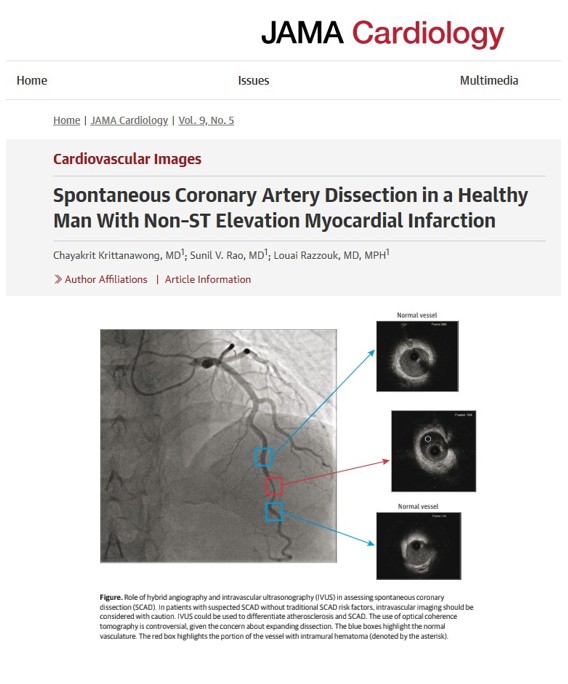
Spontaneous Coronary Artery Dissection in a Healthy Man With Non–ST Elevation Myocardial Infarction
This clinical image case describes a healthy man in his late 40s who presented with exercise-induced chest pain and elevated troponin, diagnosed as non-ST elevation myocardial infarction (NSTEMI) due to spontaneous coronary artery dissection (SCAD) in the mid-left anterior descending artery. Confirmed by intravascular ultrasound showing dissection flap and intramural hematoma. The patient was managed conservatively with dual antiplatelet therapy and statin, with full symptom resolution.
Featured Reviews
Meta-Analysis of Percutaneous Coronary Intervention of Chronic Total Occlusions
This meta-analysis evaluates the clinical impact of percutaneous coronary intervention (PCI) for chronic total occlusions (CTO). It compares CTO-PCI versus medical therapy or unsuccessful attempts, focusing on short- and mid-term outcomes such as mortality, myocardial infarction, and major adverse cardiac events. The study addresses the ongoing debate regarding the benefit of revascularizing CTOs, which remain technically challenging and under-treated.

Featured Reviews
Updates in Spontaneous Coronary Artery Dissection
This review provides an updated overview of spontaneous coronary artery dissection (SCAD), covering epidemiology, pathogenesis, diagnosis with emerging imaging, management strategies, and prevention of recurrence. It emphasizes that SCAD predominantly affects women without traditional risk factors and recommends conservative management for low-risk cases, with revascularization reserved for high-risk features.
Featured Reviews
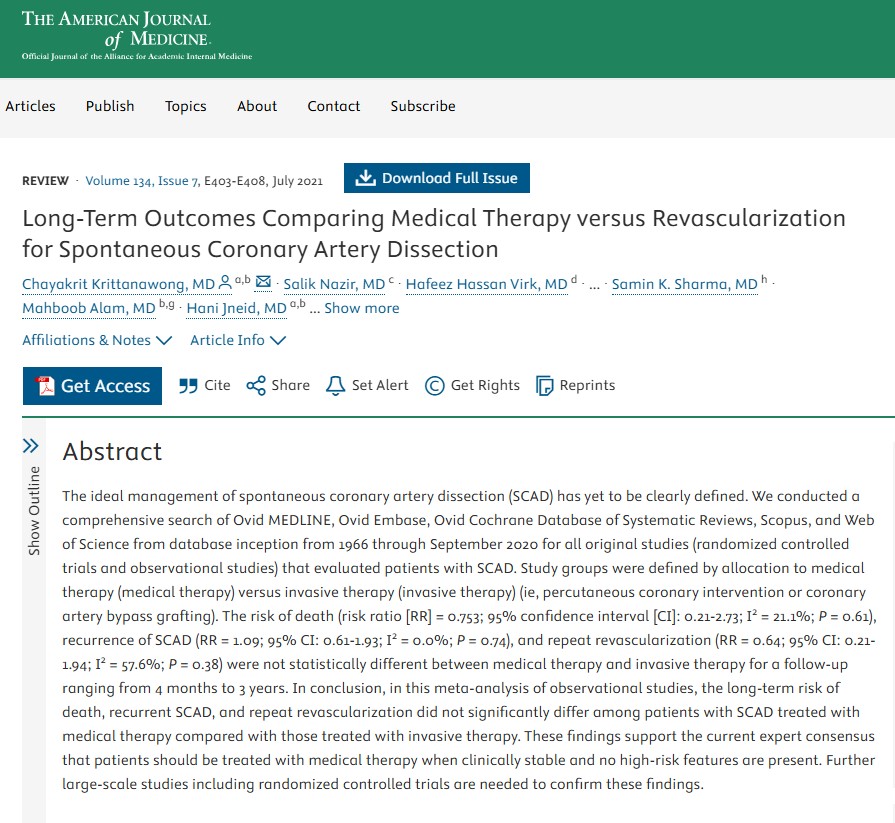
Long-Term Outcomes Comparing Medical Therapy versus Revascularization for Spontaneous Coronary Artery Dissection
This meta-analysis of observational studies compared long-term outcomes of medical therapy versus revascularization (PCI or CABG) in patients with spontaneous coronary artery dissection (SCAD). No significant differences were found in death, SCAD recurrence, or repeat revascularization between the two strategies over 4 months to 3 years of follow-up. The results support conservative medical management for clinically stable SCAD patients without high-risk features.
Featured Reviews
The Current State of Coronary Revascularization: Coronary Artery Bypass Graft Surgery Versus Percutaneous Coronary Interventions
This review compares coronary artery bypass grafting (CABG) versus percutaneous coronary intervention (PCI) across various coronary artery disease phenotypes. CABG generally provides superior long-term outcomes in triple-vessel disease, while both options are reasonable for left main disease (with possible slight mortality advantage for CABG). For proximal LAD disease, CABG offers lower repeat revascularization rates. The paper stresses the Heart Team approach, use of the SYNTAX score, and individualized decision-making based on anatomy, comorbidities, and patient preferences.

Join Mailing List
Sign up and get all the latest, ad-free reviews, recipes and news sent to your inbox.